
What Is an AHU? Air Handling Units Explained
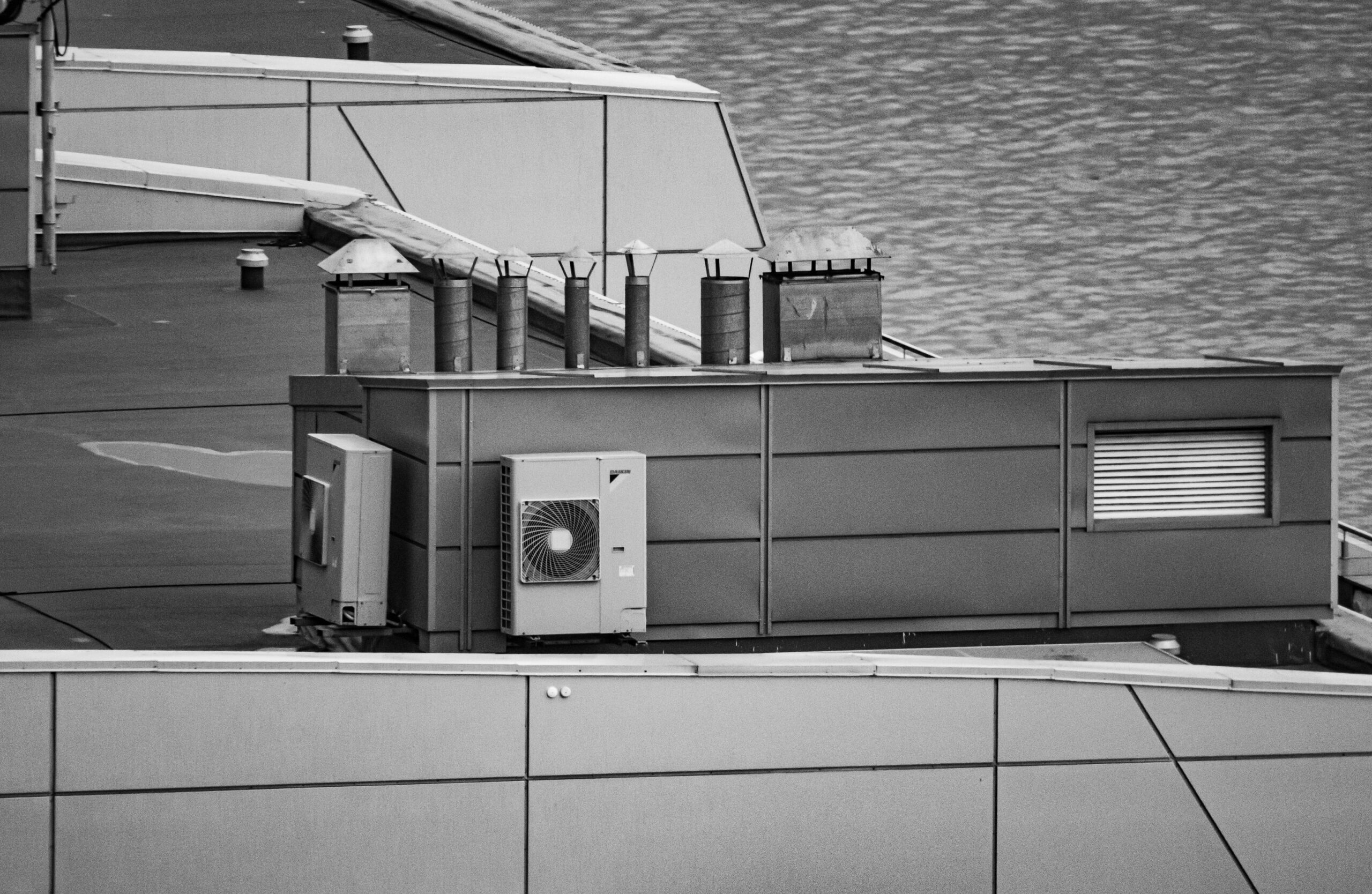
An AHU, or Air Handling Unit, is the equipment that conditions air, filtering it, heating or cooling it, and adjusting its humidity, before distributing it through a building’s ductwork to the rooms it serves. It’s the central piece of hardware behind climate control in any facility large enough to share air handling across multiple rooms, rather than treating each space independently.
If you’ve ever wondered where the air in a large facility actually gets treated before it reaches a room, the answer is almost always an AHU sitting in a plant room or on a rooftop, working continuously and mostly invisibly. This guide covers what’s actually inside one, how it differs from the broader term HVAC, and where humidity control fits into the picture, since that’s the part most general explanations of AHUs leave out entirely.
AHU vs HVAC: What’s the Difference?
These terms get used interchangeably, and they describe different things.
HVAC (Heating, Ventilation, and Air Conditioning) is the umbrella term for a building’s entire climate control system, everything from the boiler to the ductwork to the controls that tie it all together.
An AHU is one physical piece of equipment inside that system, specifically the unit that conditions and moves the air. A facility has one HVAC system. That system might contain one AHU, or several, each serving a different zone or building section.
What’s Actually Inside an AHU
A typical AHU is a sequence of sections air passes through, in order:
- Mixing section. Combines return air from the building with fresh outside air, in a ratio the system is designed around.
- Filter section. Removes particulate before the air reaches downstream components, protecting both equipment and air quality.
- Cooling coil. Chilled water or refrigerant runs through a coil that cools (and often dehumidifies) the air passing over it.
- Heating coil. The equivalent process in reverse, warming air using hot water, steam, or electric elements.
- Humidification section. Adds moisture back into the air stream when the target humidity requires it, often the case after a cooling coil has dried the air out as a side effect of cooling it.
- Supply fan. Moves the conditioned air out through the ductwork to the rooms being served.
Not every AHU includes every section, a simpler unit might skip humidification or heat recovery entirely. The configuration depends on what the facility actually needs, which is exactly why AHUs are typically specified per project rather than bought off a generic shelf.
Packaged vs Modular AHUs
Packaged AHUs arrive pre-assembled as a single factory-built unit. They’re faster to install and suit smaller or more straightforward applications where a standard configuration is close enough to what’s needed.
Modular AHUs are built from separate sections assembled on site. They cost more in installation labour but allow a facility to specify exactly which sections it needs, including added humidification, extra filtration stages, or heat recovery, which matters when the building’s requirements don’t match a standard packaged configuration. Regulated facilities, pharmaceutical, cleanroom, and food production sites in particular, more often need this level of specification than a generic commercial building does.
Why Humidity Control Inside an AHU Matters
Cooling air as part of climate control has a side effect: it dries the air out. Cold air holds less moisture than warm air, so a cooling coil that brings temperature down often drops relative humidity along with it, sometimes well below what a regulated facility actually needs.
This is where a humidification section integrated into the AHU itself earns its place. Treating humidity centrally, before conditioned air is distributed, is more efficient than trying to correct it room by room afterward, and it means every space served by that AHU receives air that’s already at the right moisture level, not just the right temperature.
For facilities where humidity is a compliance requirement, not just a comfort setting, pharmaceutical manufacturing, cannabis cultivation, laboratories, this integration matters more than it does in a standard office building. A cooling coil that’s quietly dragging RH down across an entire wing is a real, if invisible, problem until someone measures it.
Specifying Humidification for an Existing AHU
Adding humidification to an AHU that doesn’t already have it, or replacing an underperforming steam system with something more efficient, is a common retrofit, not just a new-build decision.
CleanSPOT’s duct and AHU humidifiers use ultrasonic atomisation rather than steam, which adds moisture without adding a heat load to a system that’s often already working to cool the space. Sizing the right capacity depends on airflow, target RH, and the difference between supply and outdoor air conditions, our psychrometric calculator runs that calculation directly.
Where a facility needs room-level control rather than a single setpoint across a whole AHU zone, our direct-room ultrasonic humidifiers handle that independently, without needing to touch the AHU itself.
AHU FAQ
What does AHU stand for?
Air Handling Unit. It’s the equipment that conditions air, filtering, heating, cooling, and adjusting humidity, before distributing it through a building’s ductwork.
What is the difference between an AHU and HVAC?
HVAC is the umbrella term for a building’s entire climate control system. An AHU is one physical component within that system, the unit that actually conditions and moves the air.
What are the main components of an AHU?
A typical AHU includes a mixing section, filters, a cooling coil, a heating coil, a supply fan, and often a humidification section. Larger units also include heat recovery and dampers for outside air control.
How does humidity control fit into an AHU?
A humidification section can be installed directly into the AHU, conditioning supply air centrally before it reaches any room. This is more efficient than treating each room separately when multiple spaces share the same air handling system.
What are the two main types of AHU?
Packaged AHUs are pre-assembled and delivered as a single unit, suited to smaller or simpler installations. Modular AHUs are built from separate sections assembled on site, suited to larger facilities or applications requiring specific configurations like added humidification or filtration stages.
The Short Version
An AHU is the equipment that conditions and distributes air through a building, one component within the broader HVAC system, not the same thing as it. Eurovent Certification, the EU’s HVAC industry certification body, covers this distinction in more technical depth. Whether you’re specifying humidification for a new AHU or retrofitting one that’s currently running dry, sizing it correctly starts with a real number for your facility, not a rule of thumb.
Run the numbers in our psychrometric calculator, then talk to an engineer about sizing it correctly.
Request a quote